
 EN

How fruit packing protects produce from farm to market
Fruit can look sound at harvest and still arrive with pressure marks, skin breaks, moisture loss, or uneven ripening. That is why fruit packing is more than putting produce into a box. It is the working system that supports each piece of fruit as it moves through sorting, cooling, palletizing, transport, receiving, and display. From an operations-planning perspective, a useful packing decision begins with the route, the fruit’s sensitivity, and the handling points it must survive.
Good fruit packing does not make every crop follow one formula. A berry punnet, a tray of stone fruit, and a carton of citrus face different loads and airflow needs. Still, the logic is consistent: limit fruit-to-fruit movement, maintain an appropriate cooling path, keep surfaces and equipment clean, and make the pack practical for people to handle.
Start with the journey, not the outer carton
Before choosing materials, map the journey from the field to the buyer. Note where fruit is tipped, washed, graded, packed, held, loaded, transferred, and unpacked. Each handoff can introduce a drop, compression point, temperature delay, or contamination concern. This route map turns fruit packing from a purchasing item into a handling plan.
A useful first question is not “What box looks right?” but “What happens to the fruit inside this pack?” Delicate fruit may need individual cells, pads, trays, or dividers. Firmer fruit may tolerate bulk formats, but even then the fill level matters. Underfilled packs allow movement; overfilled packs can put force on fruit at the top or against closures. A short pack-out trial with the actual commodity often reveals more than a flat sample on a desk.
Control movement and compression
Impact damage is often cumulative. A small shift in one carton may be minor, yet repeated vibration across a long trip can rub skins and create bruising. Fruit packing should therefore match the fruit’s shape, firmness, maturity, and intended stack height. Inserts are particularly useful where individual pieces can touch, roll, or press against one another. USDA transport guidance notes that fiberboard inserts can separate individual fruit and help reduce bruising during transit.
Look at the pack as a load-bearing system. The carton must carry stacking forces through its corners and panels rather than transferring them to the produce. Internal components should stay in place during normal handling, but they should not create hard edges against the fruit. For retail-ready formats, test the closed pack after it has been palletized, not only when it is empty.
Questions to ask during a pack-out trial
- Does the fruit shift when the pack is gently tilted or vibrated?
- Do lids, tabs, dividers, or corners touch the fruit under a realistic fill level?
- Can a worker close and stack the pack without forcing it?
- Does the pack remain stable at the planned pallet pattern and stack height?
- Are damaged or overripe pieces easy to identify during grading?
These checks help teams refine fruit packing before a shipment exposes a weak point at scale.
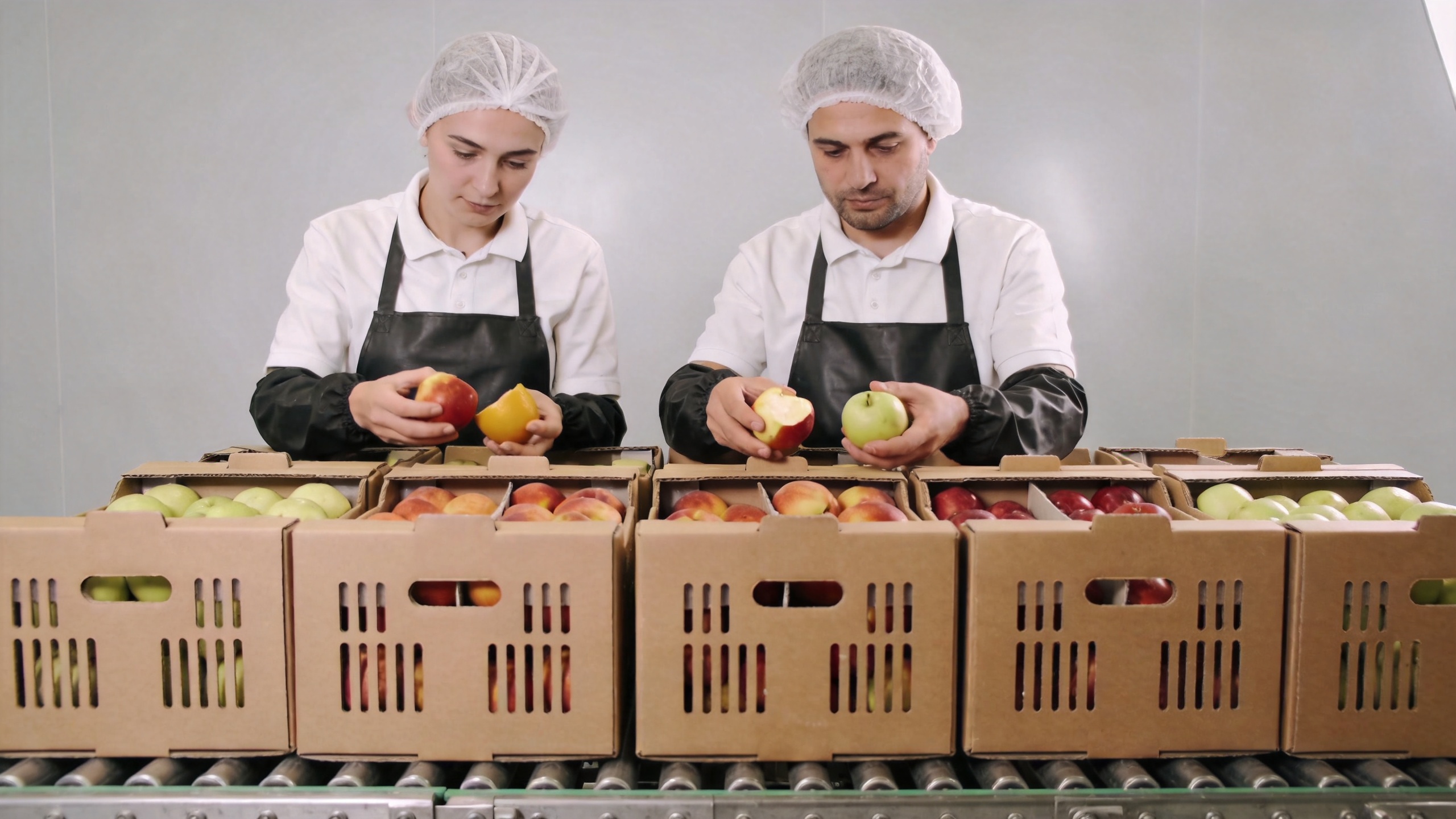
Design ventilation around the cold chain
Cooling is a commodity-specific process, so a vent pattern should not be treated as a decorative feature. The package needs to work with the selected cooling method, pallet arrangement, and air path. USDA guidance for transport explains that respiring produce should be packed in boxes with top and bottom vent holes, while wall design can influence air circulation and surface contact. The important point is fit: vents only help when they line up with the way air moves through the load.
In practical fruit packing, this means checking whether cartons align on the pallet, whether stretch wrap blocks critical openings, and whether liners or pads reduce airflow. It also means avoiding a generic temperature claim. Apples, bananas, berries, melons, and citrus can have different storage and chilling sensitivities. Confirm commodity requirements with the responsible postharvest and cold-chain teams before setting specifications.
Food packaging also has to cope with moisture. Condensation can soften paper-based components, obscure labels, and create a poor retail appearance. Conversely, an overly open format may expose sensitive fruit to dehydration. The right balance comes from trials under expected humidity, travel duration, and temperature conditions rather than from material weight alone.
Build sanitation into the packing routine
Packaging cannot substitute for hygienic handling. It is one control within a larger system that includes water management, clean work areas, trained staff, and suitable storage. FDA guidance on fresh produce packing calls for attention to clean pallets, containers, bins, and produce-contact equipment. That applies whether the fruit packing format is a returnable crate, a corrugated carton, a tray, or a consumer-facing pack.
Create a simple routine for incoming packaging, reusable assets, packing-line contact surfaces, and damaged-pack disposal. Clarify who checks each item, when the check happens, and how an issue is recorded. For food packaging that enters a high-moisture or high-turnover area, specify practical cleaning and storage procedures with the facility’s food-safety program rather than assuming a material alone resolves the risk.
Make handling easy at every handoff
The most carefully designed fruit packing can underperform if it is awkward to lift, close, scan, or stack. Handles, openings, labels, closure tabs, and pack dimensions should match the actual workflow. Warehouse teams need stable pallet patterns. Retail staff need packs that can be received and displayed without unnecessary repacking. Shoppers need a format that gives a clear view of the fruit without encouraging excessive handling.
At receiving, inspect a sample of packs before the load is fully accepted: check closure integrity, wet or crushed cartons, temperature records where applicable, fruit movement, and visible compression. Share those findings with the packing team. This feedback loop makes fruit packing a living specification rather than a one-time design decision.
Set fruit packing controls by stage
At intake, fruit packing teams can check field containers, remove visibly damaged fruit, and confirm that the selected food packaging is clean and dry. During grading, fruit packing teams can adjust fill levels so the chosen food packaging supports the fruit instead of trapping it against a closure. During pallet build, fruit packing teams can verify that carton corners carry the stack and that food packaging openings remain aligned.
Before dispatch, a fruit packing review can compare the pack with the planned route and vehicle conditions. At arrival, receiving feedback helps the fruit packing team identify whether food packaging performed as intended or needs a revised divider, pad, carton, or pallet pattern. This stage-by-stage approach makes fruit packing easier to monitor because each decision has an owner and a visible check.
A practical decision checklist
- Define the commodity, maturity stage, route length, and intended market.
- Identify the roughest handling points and the expected pallet configuration.
- Select an internal support method that limits movement without creating pressure points.
- Confirm airflow and moisture behavior in the intended cold-chain setup.
- Review sanitation and reusable-asset procedures with the packing operation.
- Run a pack-out and transport simulation, then revise the specification from observed results.
Thoughtful fruit packing connects physical protection with handling discipline. When the pack is tested against the actual route, it can help preserve appearance, reduce avoidable damage, and make farm-to-market work more predictable. The goal is not the most elaborate format; it is a format that fits the fruit, the process, and the people who handle it.