
 EN

How tissue paper manufacturing adapts to eco-friendly demand
Eco-friendly demand has changed the questions buyers ask about tissue. Instead of stopping at color, softness, or price, they want to know what sits behind the sheet: the fiber source, the evidence for a claim, the converting choices, and whether the paper will still work on a real packing table. As a paper-converting specialist, I find that the most useful discussion of tissue paper manufacturing starts with that whole decision set rather than one green label.
Responsible tissue paper manufacturing is not a single process upgrade. It is a series of choices from pulp preparation through drying, creping, converting, packing, and documentation. Each choice can affect appearance, strength, absorbency, runnability, waste, and the credibility of the final environmental message. That is why a buyer should ask for evidence tied to the actual grade and order, not a broad statement that every tissue product is automatically sustainable.
Why eco-friendly demand reaches every stage of tissue paper manufacturing
At its basic level, tissue paper manufacturing turns virgin or recycled fiber into a dilute slurry, forms a thin sheet, removes water, dries the web, and creates the softness and bulk associated with tissue. Search results on the process frequently point to stock preparation, sheet formation, a Yankee dryer, and creping. Those steps matter because fiber selection and process control cannot be separated from the finished paper’s intended use.
For example, recycled fiber may be appropriate for some applications, but the buyer should still define the performance characteristics first. Will the tissue wrap a delicate product? Must it retain a particular color? Does it need to fold cleanly, resist tearing during packing, or perform in a food-contact workflow subject to separate requirements? In tissue paper manufacturing, a recycled-content target without a functional specification can create an avoidable mismatch.
Eco demand also moves attention to resource-intensive areas of tissue paper manufacturing. Drying requires significant thermal energy, while stock preparation and paper-machine operation involve water management. A mill may evaluate heat recovery, water reuse, furnish efficiency, broke handling, and process stability. These are useful topics for supplier discussions, but they are not proof of a result on their own. Actual performance depends on equipment, grade, operating conditions, and the boundary used for measurement.
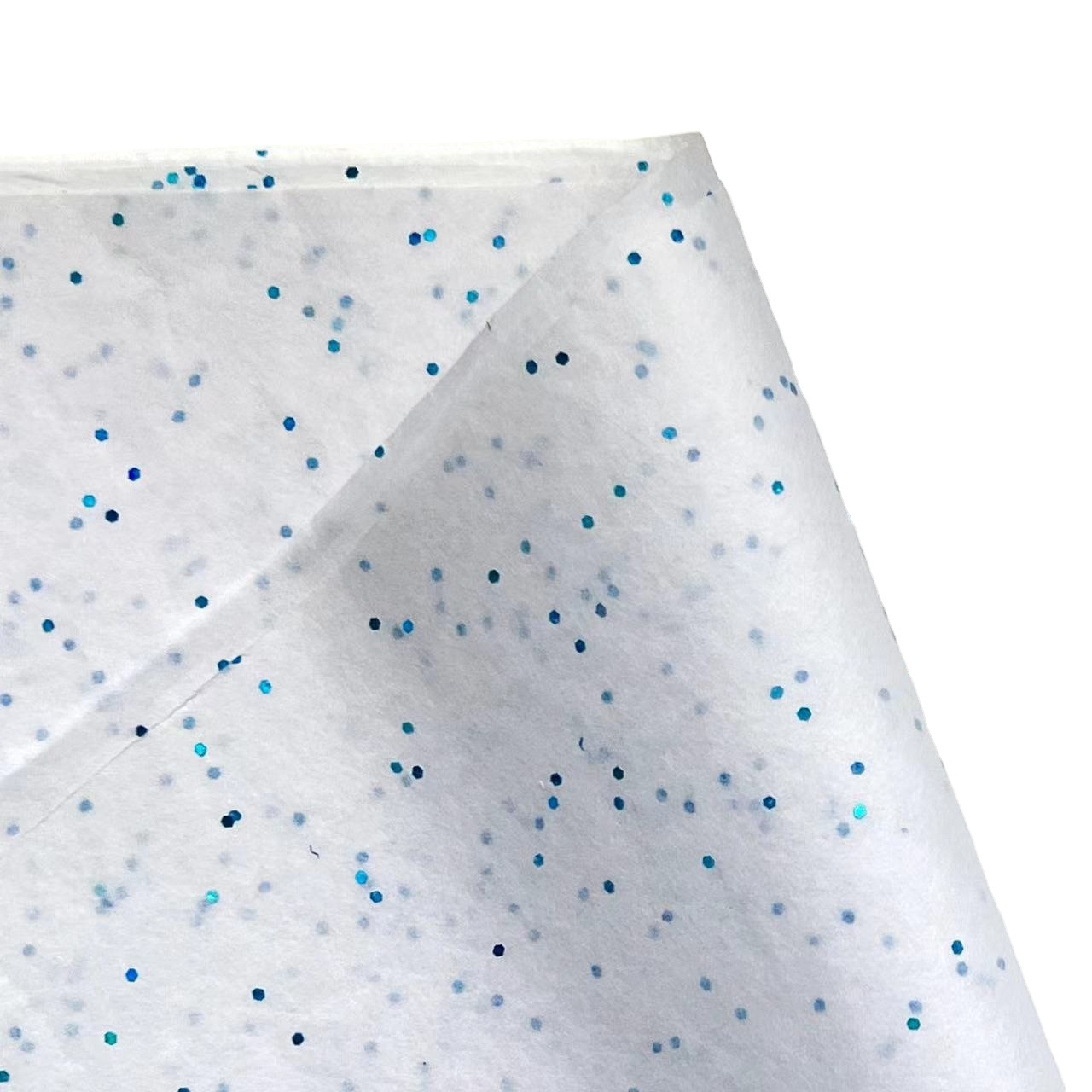 Process choices should be assessed alongside the intended paper specification.
Fiber choice: replace a vague claim with a traceable question
A practical change in tissue paper manufacturing is the shift from asking whether paper is “eco-friendly” to asking what fiber claim is being made and how it is supported. A buyer may request virgin-fiber sourcing information, recycled-content details, or certified-material documentation where relevant. The wording should identify the product, grade, and date or production lot whenever possible.
For forest-based claims, chain-of-custody documentation can be important. FSC guidance explains that organizations handling forest-based products need certification if they want to sell products with an FSC logo or FSC claim. That does not mean every tissue paper supplier holds such certification, nor does it make an unlabeled item certified. It means the buyer has a clear question: can the supplier provide documentation that supports the specific claim requested?
Likewise, “recycled” needs context in tissue paper manufacturing. Ask whether a percentage refers to total recovered fiber or post-consumer fiber, whether it applies to the tissue itself or only its packaging, and whether the percentage is measured by weight. Precise wording protects both the buyer and the supplier from an unsupported green claim.
Process improvements must preserve usable tissue
In day-to-day tissue paper manufacturing, sustainability work is useful only when the resulting tissue remains fit for purpose. A lighter basis weight may reduce material use for a given format, but it can also change opacity, handfeel, or tear behavior. A new furnish can influence formation and crepe response. Adjustments that look efficient on a specification sheet may create more trim loss or packing interruptions if they are not tested in the intended workflow.
That is why a visual sample is not the finished workflow. Request a pack-out trial using the actual product, fold style, tape or seal method, and storage conditions. During the trial, observe whether the paper tears, transfers color, creates excessive static, slows the operator, or needs extra layers. This approach gives tissue paper manufacturing a measurable commercial purpose: lower avoidable material use while preserving the user experience.
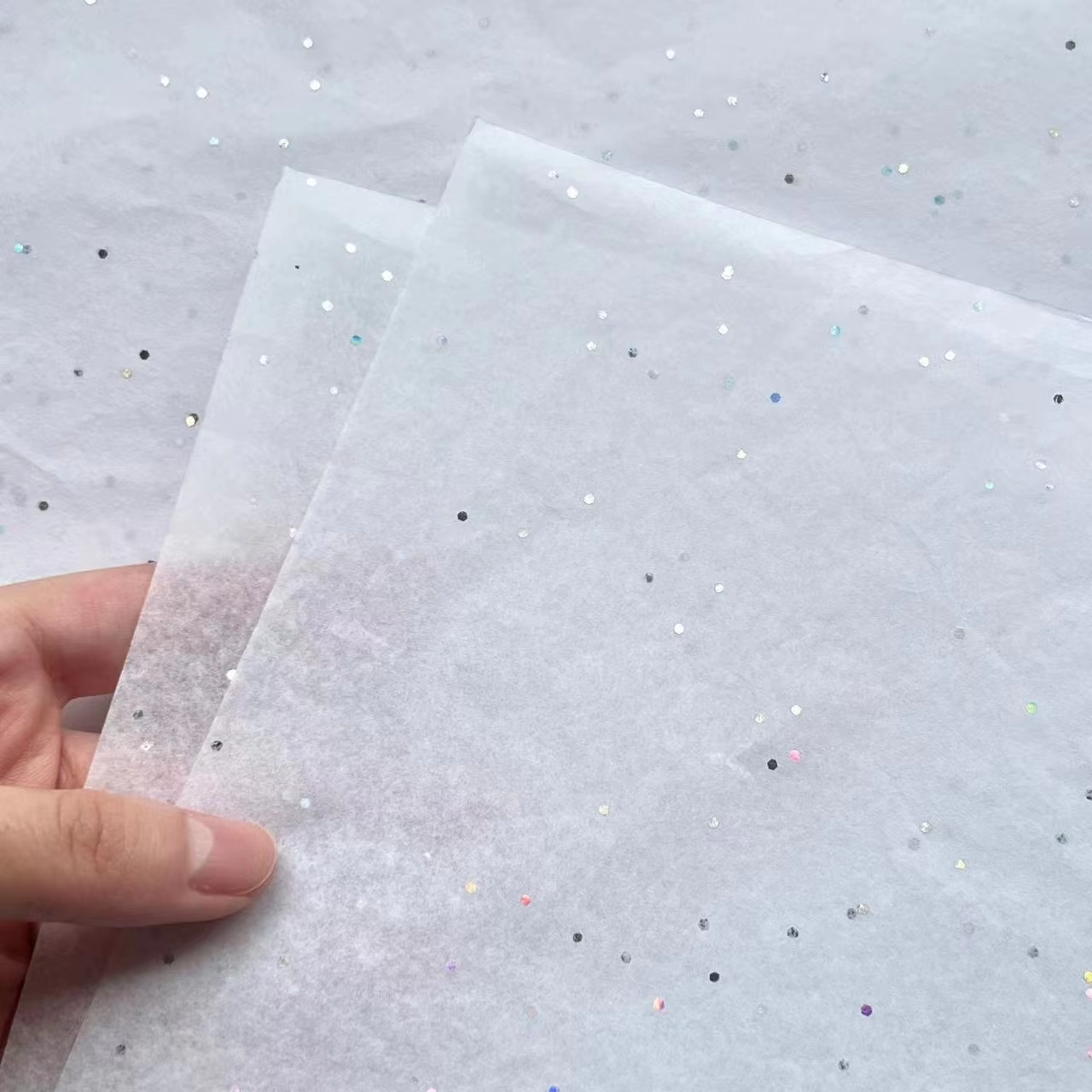 A pack-out trial helps confirm that a material change works in the actual handling workflow.
What to request from a tissue paper supplier
When comparing a tissue paper supplier, avoid a long list of generic sustainability questions. Start with the paper grade and application, then request evidence that matches the decision. A capable tissue paper supplier can clarify what is available for a particular construction instead of applying one sweeping statement to every order.
- Specify the required format, basis weight, color, print requirement, and end use before asking about fiber content.
- Ask a tissue paper supplier to state the exact recycled-content or certified-material claim it can support for the selected grade.
- Request applicable certificates, declarations, or chain-of-custody details when a claim will appear in purchasing documents or customer-facing copy.
- Confirm whether the claim applies to the tissue, the packaging, or both.
- Arrange a sample and pack-out trial before changing a high-volume specification.
- Agree on claim wording in writing; terms such as “green,” “natural,” or “sustainable” are not substitutes for evidence.
A specification-to-outcome map for responsible buying
| Buyer question | What to define | Useful evidence |
|---|---|---|
| Can this tissue support a recycled-content request? | Grade, percentage type, and performance needs | SKU-level declaration and test or specification data where available |
| Can we make a certified-material claim? | Claim wording and supply-chain scope | Current applicable certificate and chain-of-custody information |
| Will a lower-material option work? | Format, handling, protection, and packing speed | Pack-out trial observations with the real product |
| How should we evaluate resource-efficiency statements? | Relevant process boundary and reporting period | Method, metric, and supporting operational record |
This map helps turn tissue paper manufacturing into a buyer conversation about fit and evidence. It also makes supplier comparisons fairer. One supplier may offer a strong recycled-content option for a simple void-fill use, while another may be better suited to a premium wrap that requires color control and a specific finish. Neither answer is universally “greener” without a defined application.
How to make eco demand operational
The most durable response to eco-friendly demand is a repeatable review process. In tissue paper manufacturing, begin with the application, identify the claim that matters, gather the supporting record, and validate performance with a sample. Then review the final wording before it reaches a catalog, RFQ, product page, or customer presentation.
For buyers, the takeaway is simple: ask a tissue paper supplier for specificity, not slogans. For manufacturers, the opportunity is to connect fiber, process, converting, and documentation in a clear answer. When tissue paper manufacturing is explained this way, eco-friendly demand becomes a disciplined product-development and communication task—not merely an adjective added to a tissue specification.