
 EN

How Colored Sheet of Paper Creates Low-Cost Festive Decoration for Small Shops
For a small shop, a palette of colored paper can do more than fill a window or wrap a counter. It can give a seasonal idea a clear visual rhythm without asking the team to build a permanent fixture. From a retail-merchandising perspective, the useful question is not simply which shade looks cheerful. It is how the paper supports the customer journey from the doorway to the till while remaining easy to set up, replenish, remove, and store.
That is why colored paper belongs in a display plan rather than in a last-minute craft box. A limited palette and repeated shapes can make a modest seasonal refresh feel intentional. The goal is not to make every surface busy. It is to use color to frame products, guide attention, and make a small space feel ready for an occasion.
Start with one retail moment, not a pile of decorations
Before ordering paper for the display, choose the moment that needs the strongest visual cue: a front window, gift table, checkout area, shelf edge, or event corner. A small shop rarely needs every area changed at once. Selecting one primary zone keeps the work manageable and prevents a festive scheme from competing with the merchandise.
For example, a spring promotion may need soft color behind a compact gift selection, while a year-end display may need a stronger border around a featured table. In either case, paper works well when it has a defined job: background, hanging shape, shelf liner, price-sign frame, or simple wrapping accent. At first this may look like a color decision; more accurately, it is a color-and-workflow decision.
Set the purpose before cutting anything. The team should be able to answer three questions: What should a shopper notice first? Which products need a seasonal lift? What can be removed quickly when the promotion ends? This short brief helps staff use the material consistently across shifts.
Build a limited palette that supports the merchandise
Retail-display guidance commonly treats color contrast and a restrained scheme as useful ways to create coherence. For a small shop, that does not mean following a rigid formula. It means choosing two or three colors that work with the products, existing fixtures, and brand cues. A colored sheet of paper in several unrelated shades can dilute the message; a repeated palette can make simple decorations feel connected.
Test a colored sheet of paper beside the actual product packaging and under the shop lighting. A tabletop sample is useful, but the next question is whether it still works from the doorway and during the intended pack-out sequence. Light-colored merchandise may need a darker border for separation, whereas a bold product table may need a quieter paper accent.
- Use one dominant color for the main display area.
- Add one supporting color for labels, cut shapes, or small hanging details.
- Keep a neutral surface visible so the products remain the focal point.
- Check the palette at the distance where customers first see the display.
This approach lets each paper element contribute to the display rather than compete with it.
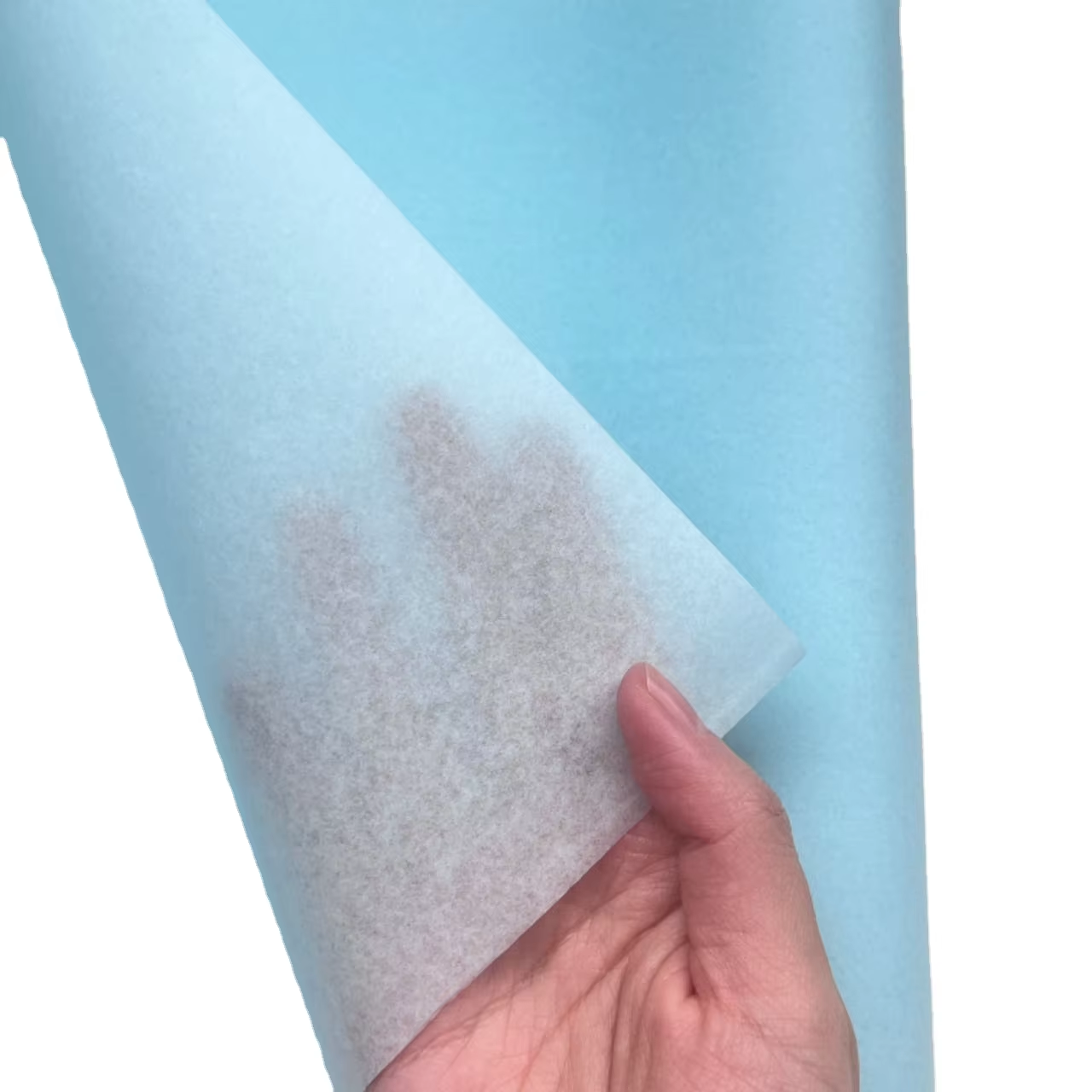 A restrained paper palette can help a seasonal retail display feel coherent without crowding the merchandise.
Choose formats that reduce handling rather than only unit price
Low cost is often discussed as though it means buying the lowest-priced material. For a small retail team, the more useful measure is total handling. A lower unit price may not answer the workflow question if cutting, sorting, taping, or replacing the paper takes more staff time. The material should therefore be chosen with the display size and setup routine in mind.
The question changes from “what is the price?” to “what format reduces unnecessary handling for this seasonal display?” Pre-cut pieces may help with repeatable tags or garlands; larger sheets may suit backdrops or wrapped plinths. Product listings for colored paper show that sheet sizes, weights, and pack counts vary, so those details should be confirmed for the intended use instead of assumed.
A sheet of paper that tears during assembly or folds awkwardly around a small fixture can create avoidable rework. Conversely, a format that matches the display dimensions can simplify the task. A colored sheet of paper is not automatically the right choice for every surface, but it can be a practical starting point when the design is light, temporary, and easy to refresh.
Use repeatable shapes for a festive look with less waste
Rather than creating many unrelated ornaments, select one or two shapes that staff can reproduce: circles, folded fans, simple pennants, layered strips, or product-card frames. Repeating a shape gives repeated paper shapes more visual impact than scattering many small ideas around the shop. It also helps the team estimate how much material is needed before beginning.
Make a small mock-up first. Place a few shapes in the real window or on the actual shelf, then adjust scale before cutting the full batch. This step matters because a decoration that looks balanced on a worktable can disappear beside stock, signage, or busy shelving. The same stock may look generous on a gift table and too dense in a narrow aisle.
Keep offcuts in a labeled envelope or tray for the next display task. Smaller pieces can become price-card borders, bag seals, or photo-backdrop details later in the season. Reuse is a planning choice, not a promise about the material: retain only pieces that are clean, visually suitable, and practical to store.
Plan the display around the packing and closing routine
A festive display should not block access to bags, labels, payment equipment, or replenishment stock. That is the appearance side. The next question is how the material reaches the packing table. If paper is also used as a wrapping accent, keep the supply separate from the display pieces so staff do not need to dismantle decor during a busy period.
Use removable fixing methods where the surface and local safety requirements allow, and test stability before opening. Avoid presenting decorative paper as protective packaging unless its suitability has been confirmed for that application. For a presentation-led display, visual appeal and operational access should be assessed together.
A short small-shop checklist before ordering
- Identify the display zone and the products it should support.
- Choose a restrained seasonal palette and test each color under shop lighting.
- Measure the fixture, window, or shelf before selecting sheet size.
- Make one trial piece and check cutting time, placement, and visibility.
- Separate display stock from gift-wrapping stock if both use the same paper stock.
- Decide how finished pieces will be removed, stored, reused, or disposed of after the promotion.
For small shops, festive decoration does not need a large build to feel considered. A focused plan, a repeatable shape, and a suitable color-and-format choice can create a stronger seasonal cue while keeping the team’s setup routine realistic. Confirm the intended use, format, and display conditions before placing an order, then let the material serve the retail moment rather than overwhelm it.