
 EN

How to find a qualified tissue paper raw material supplier for stability
Finding a qualified tissue paper raw material supplier is less about locating a low quote and more about building a repeatable way to compare material, documentation, communication, and delivery control. A tissue paper supplier may offer a convincing catalog, yet stable purchasing depends on whether the supplied roll or sheet remains suitable for your converting or pack-out process over time.
From a B2B packaging buyer’s perspective, a tissue paper raw material supplier should be reviewed against the intended workflow, expected repeat orders, and the clarity of its responses. This guide frames the questions; it does not replace product-specific sample approval or a supplier audit where your risk level calls for one.
Start with the material decision, not the supplier list
Before comparing a tissue paper supplier, write a short internal brief. Define whether the paper is for wrapping, interleaving, decorative presentation, protective lining, or another use. The same material can be workable in one process and unsuitable in another. For example, a roll format may fit a high-volume packing station, while pre-cut sheets may simplify a lower-volume presentation task.
Your brief should also separate requirements from preferences. A tissue paper raw material supplier can quote more accurately when the request identifies fiber preference, color reference, basis weight or GSM target, format, sheet size or roll width, core or packing requirements, and estimated order pattern. If a value is not fixed, mark it as a test variable instead of presenting it as a confirmed specification.
Search results for this topic commonly distinguish virgin fiber, recycled fiber, and alternative fiber discussions, as well as jumbo or parent-roll formats. Those categories are useful starting points, not performance conclusions. Ask the tissue paper supplier which material description applies to the offered grade and which documents or sample records can support it.
What should a qualified supplier be able to clarify?
A capable tissue paper raw material supplier does not need to promise an outcome before it has the full application information. It should, however, be able to turn a broad inquiry into checkable details. A useful initial review can cover the following areas:
- Material identity: What fiber description, grade name, and intended application are being quoted?
- Format control: What are the available roll widths, sheet dimensions, core details, pack quantities, and tolerances to be confirmed?
- Appearance control: How will color, texture, and visual reference be compared during sample approval?
- Process fit: Has the tissue paper supplier asked how the material will be cut, folded, dispensed, printed, packed, or handled?
- Quality communication: Who records a variation, how is a claim reviewed, and what information is needed for traceability?
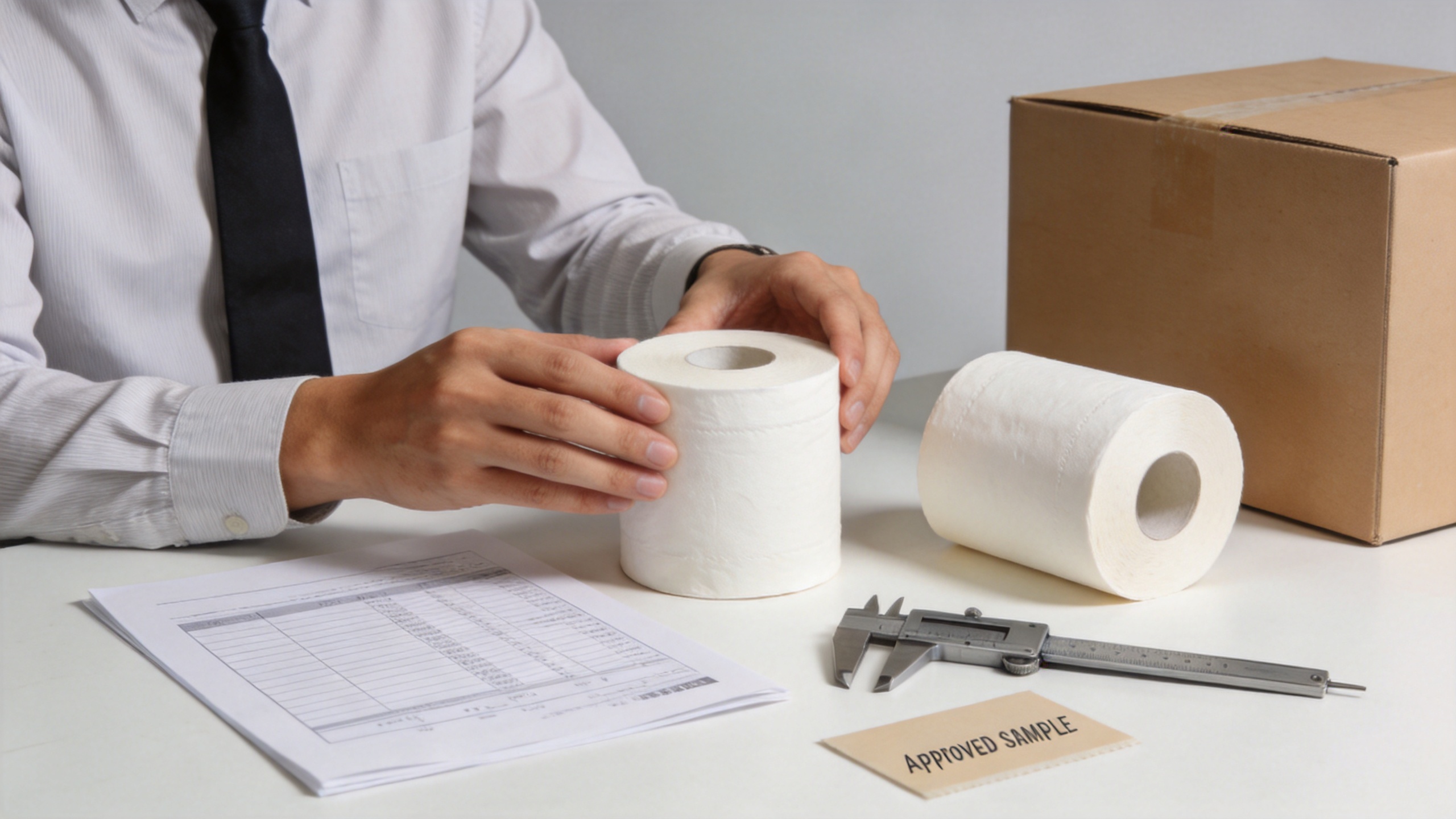
By format, we simply mean how the paper arrives and how the team uses it. Both a parent roll and a finished sheet can look appropriate in a photo, but they can create different routines at the packing station. That is the appearance side. The next question is how the material reaches the operator and behaves in the actual sequence.
Use documents as verification tools, not marketing shortcuts
When a tissue paper raw material supplier makes a sourcing or sustainability-related statement, ask what evidence is available for the exact material being purchased. A responsible claim begins with documentation to verify, not a slogan. Depending on the request, this may include a current specification sheet, sample identification, batch or lot information, or a certificate that can be checked against the relevant scheme.
For forest-based claims, chain-of-custody systems are designed to support traceability through the supply chain. If a certified claim matters to your buyer or market, ask the tissue paper supplier for the certificate reference and confirm that the supplied material is sold with the applicable claim. Do not assume that a logo on a website settles that question.
A documented supplier review can also borrow the logic of quality-management purchasing controls: establish criteria, evaluate the source, retain the evidence that matters, and monitor performance after approval. This does not mean every tissue paper raw material supplier must hold a particular certification. It means your approval method should match the operational and customer risk attached to the material.
Move from a tabletop sample to a pack-out trial
Visual samples are useful, but a tissue paper supplier should be evaluated through the intended workflow when possible. Test the candidate material around the actual product, closure method, dispensing setup, and handling rhythm. Record what the team observes rather than relying on a general impression.
| Check area | Question for the trial | Record to keep |
|---|---|---|
| Material fit | Does the sample match the approved fiber, feel, and visual brief? | Sample code and approval notes |
| Format fit | Can the team handle the roll or sheets without unnecessary steps? | Dimensions, packing configuration, and workflow notes |
| Consistency | What will be compared on the next sample or production lot? | Reference sample and agreed comparison points |
| Communication | Can the tissue paper raw material supplier respond with traceable information when a difference is found? | Named contact and issue process |
A common buying mistake is to move from a visual sample directly to a large order. The more reliable path is to define a small set of acceptance points first. Will the team handle this material as a continuous roll, pre-cut sheets, or both? Is the appearance requirement more important than processing speed, or do both need to be balanced? These questions give the tissue paper supplier a usable basis for the next quote.
Compare supplier stability beyond unit price
Price is important, but it is only one input. A tissue paper raw material supplier may be easier to manage when it provides consistent specification language, identifies open points early, and communicates changes before they reach your packing line or customer project. Rather than asking which offer is lowest, ask which proposal allows a like-for-like comparison of material, format, evidence, packaging, and response process.
For repeat purchasing, agree on how future orders will refer back to the approved sample, specification, and packaging configuration. Ask the tissue paper supplier what information it needs when you request a repeat order and how it will flag a requested change. This may be a reasonable starting point, although the final fit should be confirmed with the intended use and current documentation.
A practical RFQ checklist
Send the same concise checklist to each candidate tissue paper raw material supplier. Include the use case, required format, color or visual reference, target GSM or other agreed fields, estimated quantity, destination and packing needs, sample request, required documents, and the questions that remain open. Request answers in writing so your team can compare the same variables.
Also ask each tissue paper supplier to identify which parts of the request are confirmed, which require a sample, and which depend on an order quantity or converting method. That distinction makes it easier to avoid treating an option as a commitment.
Choose a supplier through a controlled approval path
In short: confirm the use case, format, and evidence needed before finalizing an order. A qualified tissue paper raw material supplier is one that can support this controlled approval path with clear answers, a traceable sample, and practical communication. Review the first order against the agreed reference, then use the resulting record to make the next sourcing decision more stable.
If you are comparing several sources, keep the same decision sheet for every tissue paper supplier. It turns a broad search into an evidence-aware selection process and gives your team a clearer basis for approving repeat supply.