
 EN

How packaging paper delivers both protection and presentation
Packaging is often discussed as two separate jobs: keeping an item secure and making it look considered. In practice, those jobs meet at the packing table. Packaging paper can wrap a surface, separate items, fill open space, and set the first visual tone a recipient sees. The useful question is not whether paper can do both. It is which paper format and handling method fit the product, the shipping route, and the intended presentation.
From an operations-planning perspective, a good choice starts with the pack-out sequence. A paper that looks appealing before it is folded may behave differently around corners, under tape, or inside a crowded carton. A quick sample pack-out is usually more informative than judging color alone.
Protection starts with the job the paper performs
Packaging paper is not a single protective layer with one fixed purpose. It can be used as a wrap around an individual item, a separator between products, a liner that reduces surface-to-surface contact, or a loose fill material that helps limit movement in a box. The right role depends on the product’s shape, finish, fragility, and the amount of empty space left after it is packed.
For a smooth or easily marked surface, the first layer may be chosen to create a clean barrier before any outer cushioning is added. For multiple small items, paper can separate pieces so they are less likely to rub together during handling. For an irregular product, the packer may need a material that can be shaped into gaps without creating hard pressure points. Those are different tasks, and one paper grade or format will not necessarily suit each of them.
It helps to think through the route as well. Storage, manual handling, loading, and final delivery can each add movement or compression. Protective packaging is intended to safeguard products during storage, handling, and transportation, but paper works as part of a system rather than in isolation. Box size, closure method, product orientation, and the amount of void space all influence the outcome.
Why format matters as much as the paper itself
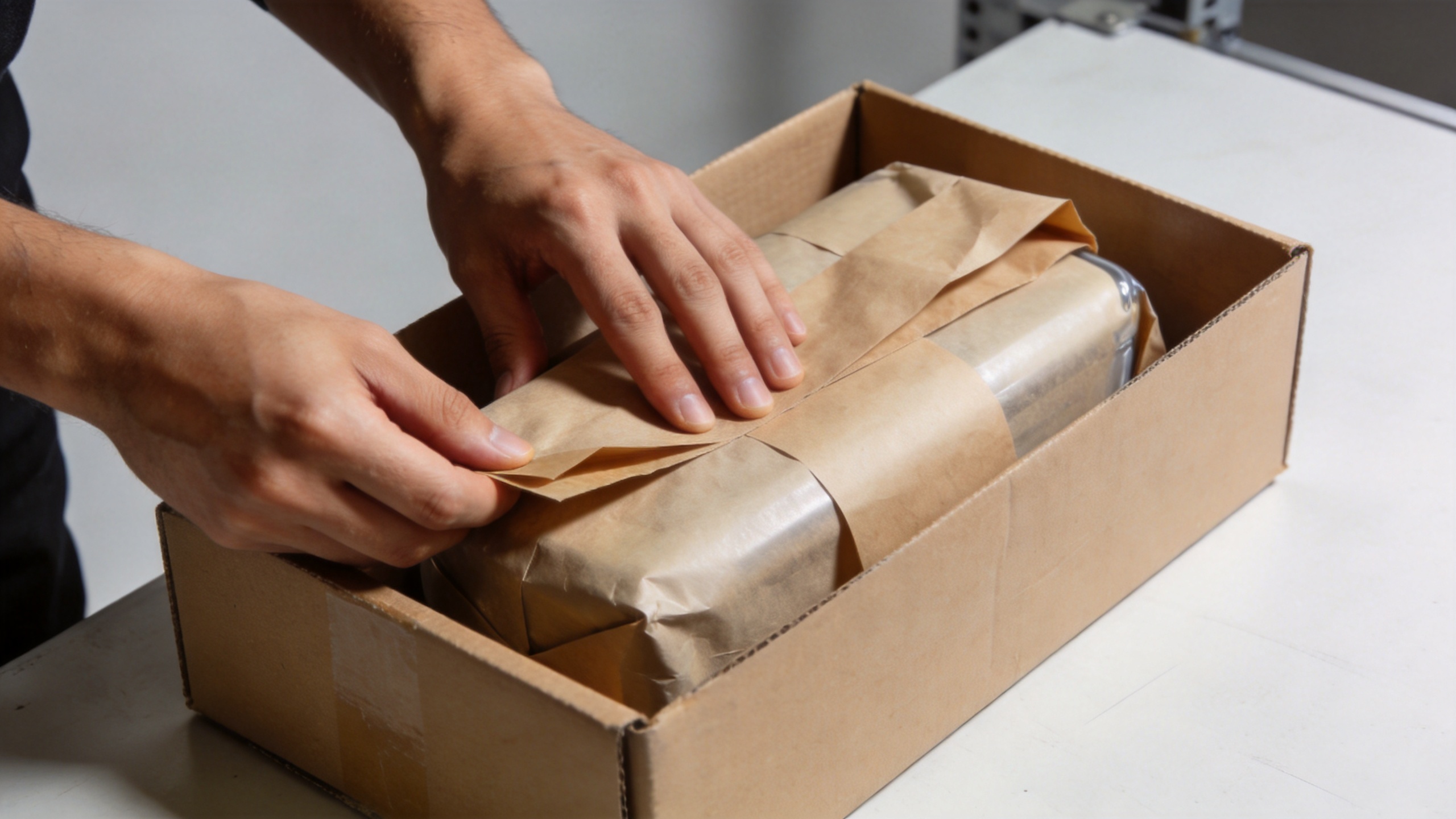
Sheets, rolls, and pre-cut pieces create different workflows. Sheets can make sense when a team needs repeatable wraps for similarly sized products. Rolls can be more flexible when product dimensions vary or when paper must be torn to fit. Pre-cut pieces can reduce measuring steps, although they need to match the real pack-out size rather than an assumed one.
This is where a pack-out trial is valuable. Wrap a representative item, place it in the intended carton, close the carton, and inspect what happens to the folds. Does the paper stay in position? Is there enough material at edges and corners? Does the packer need to add several extra pieces to make the result stable? A trial will also show whether the visual side of the paper remains visible where it matters.
For buyers, the decision set is wider than a basic paper specification. Consider the paper’s finish, stiffness, fold behavior, available format, and how it works with the rest of the packaging. Ask suppliers for current specifications and samples when material properties, print compatibility, or end-of-use requirements are important to the application.
Presentation is built into the packing sequence
The presentation value of packaging paper is often created by restraint. A carefully folded inner wrap can make an ordinary carton feel organized without making the pack-out difficult. A liner can frame the product when the box is opened. Paper used as a separator can also create a more deliberate reveal between items. These effects come from placement and consistency, not from a promise that any material will transform a customer experience.
Color, texture, and printing are usually the visible choices, but they should be considered after the operational questions. A dark color may show dust or scuffing differently from a lighter one. A highly textured surface can change how crisp a fold appears. Printed designs may need clear orientation instructions so a logo or pattern faces the intended direction. If a presentation detail adds several handling steps, it may be difficult to reproduce during busy periods.
A practical approach is to document a small number of folding and placement rules. For example, define which side faces outward, where a seam should sit, and whether a label or seal must remain visible. This gives the team a repeatable method while leaving room to adapt the amount of paper to different product sizes.
Match paper choices to common use cases
Fragile or surface-sensitive items
Start with separation and coverage. The aim is to reduce contact between the item and other materials, then add the level of cushioning the shipment needs. Avoid assuming that a visually refined wrap alone is sufficient for a fragile product. Test the full pack-out, including corners, void spaces, and the outer carton.
Retail and gift-oriented orders
Here, packaging paper may serve as an inner wrap, a box liner, or a layer between product and accessory. Choose a format that packers can apply consistently. A simple, well-positioned fold may communicate more than an elaborate arrangement that changes from order to order.
Mixed-product shipments
When one order contains several shapes or finishes, use paper to separate groups and manage open space. Plan the packing order before selecting a decorative treatment. A presentation layer can be added once products are stable, but it should not obscure a required label, instruction, or item check.
A buyer checklist before approving packaging paper
- What is the paper’s primary job in this pack-out: wrap, separator, liner, or void fill?
- Which product surfaces need protection from rubbing, movement, or direct contact?
- Will sheets, rolls, or pre-cut pieces support the actual packing pace?
- Can the team reproduce the folds and placement with a simple work instruction?
- Does the visual treatment still look intentional after the carton is closed and opened?
- Which material, printing, and end-of-use details need confirmation from the current supplier specification?
Use a pack-out trial to connect appearance with performance
The most useful way to evaluate packaging paper is to run a small, realistic trial. Use the actual product or a close representative, the intended box, the planned closure, and the normal packing sequence. Check the result before and after handling the carton. Look for shifting, exposed corners, excessive material use, uneven folds, or a presentation detail that disappears once the box is closed.
Then adjust one variable at a time: paper format, piece size, packing order, or fold location. This makes it easier to see what improves stability and what improves the opening experience. It also gives purchasing, operations, and brand teams a shared basis for choosing a solution rather than evaluating protection and presentation separately.
Final perspective
Packaging paper earns its place when it supports the workflow as well as the product. It can help protect surfaces, manage space, and create a more considered opening sequence, provided the material and format are matched to the job. Start with the product and the journey, confirm the relevant specifications, and test the complete pack-out. That process turns packaging paper from a finishing touch into a practical part of both protection and presentation.